
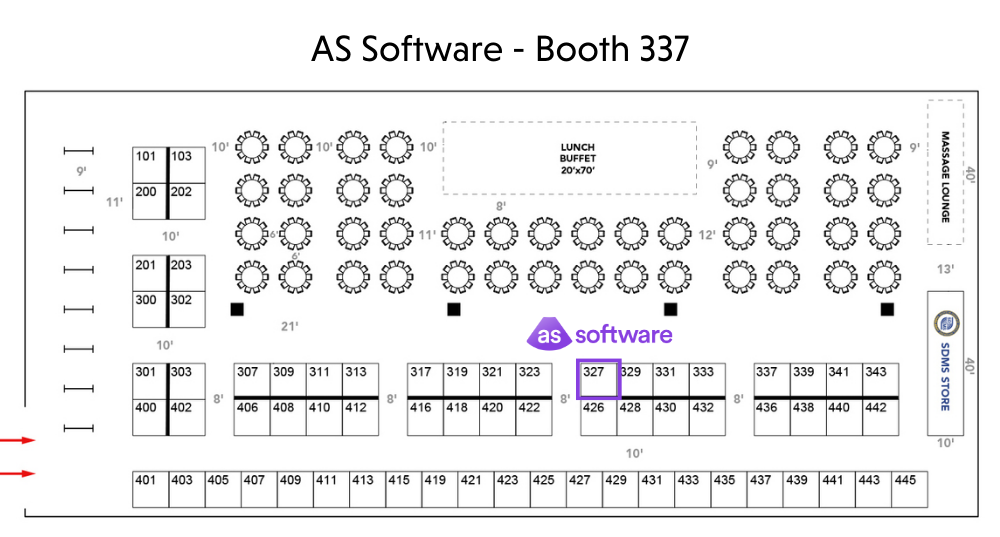
It was great to see you at the conference. We loved showing you how our ultrasound software supports a better sonographer workflow, with:

Nasrin Benion
MBA, RDMS
Director of Clinical Ultrasound

Derek DellaVecchia
RDMS, RDCS, RVT, RMSR
Senior Account Executive

Matthew Hansen
Account Executive
Location: Gaylord National
201 Waterfront Street
National Harbor, MD 20745-1135
Dates: September 21-23, 2023
Sonographers are an essential part of diagnostic ultrasonography, which has rapidly grown into a powerful and invaluable medical tool.
Using ultrasound, doctors can monitor a variety of health conditions from heart disease to breast abnormalities to several gynecological problems-accurately while limiting invasive procedures. Ultrasound helps doctors make a diagnosis and determine the best and most effective means possible to achieve health. (SDMS)
The demand for sonographers is rising, and as the profession grows faster than average, more sonographers are experiencing the physical and mental demands and work-related musculoskeletal disorders (WRMSDs) that accompany sonography.
It’s important that both sonographers and employers understand the physical toll of the profession and take the necessary steps to alleviate and prevent sonographer pain and encourage safe working environments that reduce the risk and prevalence of WRMSDs.
Sonographer scanning techniques include repetition of physical risk factors that strain tendons, inflame muscles, and place pressure against nerves. “WRMSDs symptoms include inflammation and swelling, numbness, muscle spasm, burning or tingling, and loss of sensation. Some of these symptoms may cause a loss of muscle strength, making it difficult to hold a transducer. As this is a cumulative disorder, seemingly minor symptoms can progress over time to more serious, even debilitating, symptoms.” (Coffin C)
Some typical activities that can lead to sonographer pain over time include:
Awkward postures of the trunk, neck, and upper extremities, as well as excess gripping and downward force applied with the transducer, contribute to sonographers’ symptoms of discomfort and risk for injury. For sonographers, the mechanism of injury to the shoulder is felt to correspond to frequent abduction of the scanning arm combined with static loading of the muscles related to pressure applied with the transducer. (SDMS)
The physical and mental toll of WRMSDs on sonographers is extensive. Over time it affects their ability to perform not only their professional duties, but also daily living activities.
The study “Work-Related Musculoskeletal Disorders (WRMSDs) Among Registered Diagnostic Medical Sonographers and Vascular Technologists” indicated that 90% of clinical sonographers experienced symptoms of WRMSDs.
In addition to physical pain, WRMSDs both contribute to and can be exacerbated by the psychological stress of the profession. “Increasing workload, poor control over schedule, and lack of management support lead to mental burn-out, anxiety, and decreased job satisfaction. Sonographers may scan in pain to meet the department’s demands contributing to the development of WRMSDs.” (AIUM)
The impact of these injuries on so many sonographers can cost employers up to $20 billion yearly in direct costs such as Worker’s Compensation and medical expenses, and up to five times that in indirect costs such as lost revenue, absenteeism, and costs related to hiring and training new employees. (SMDS)
Employers should closely follow industry standards to prevent WRMSDs, which have been provided by the Society of Diagnostic Medical Sonography.
The Occupational Safety and Health Administration also recommends implementing a more ergonomic workflow to reduce the severity and cost of WRMSDs.
The process includes these steps:
The Reports in Medical Imaging article “Work-Related Musculoskeletal Disorders in Sonographers: A Review of Causes and Types of Injury and Best Practices for Reducing Injury Risk” outlines positioning tips to help sonographers prevent strain.
Positioning tips:
More specialty-focused best practices are also outlined in the article, available here.
Preventive measures range from simple work posture changes that conform to the department’s existing equipment to upgrading the department with state-of-the-art ultrasound systems, exam tables, and chairs. (Coffin C)
It’s important to understand the long-term impact of WRMSDs on sonographers and their workplace. By taking steps to prevent and mitigate sonographer pain, sonographers, employers, and equipment and technology providers can help improve workplace morale and reduce pain.
AS Software provides more effective ultrasound reporting and customized support to help create safer working environments and ideal workflows for sonographers, so they can have more time in their day for adequate breaks. To learn more about how we can help reduce sonographer pains, schedule a demo.
The future of ultrasound reporting and image management is in the cloud. Find out more about our innovative cloud solution for more streamlined workflows, with:
Learn about our UltraInnovative cloud solution, built for clinicians by clinicians
If you didn’t have a chance to meet with us to learn about our innovative cloud solution, please schedule a demo with our team to find out how we can help you transform your ultrasound workflows.

Nasrin Benion

Jeanne Sottile

Derek DellaVecchia
Location: Signia by Hilton Bonnet Creek
14100 Bonnet Creek Resort Ln, Orlando, FL
Dates: March 25 – 29, 2023
While very rewarding, diagnostic medical sonography can be a demanding career. With varied and long hours, time spent on your feet each day, and patients that can be highly anxious – there are many stressors to navigate.
When the number of completed scans expected increases, and there is too little time to spend with patients, sonographers can experience chronic stress that, when unrelieved and unmitigated, causes career burnout. This can be difficult to overcome and affect the quality of patient care provided.
“Decreasing burnout by decreasing the number of chronic stressors in the workplace should improve the quality of scanning examinations, increase the quality of patient care, improve employee satisfaction, restore employee commitment and professional values, and decrease absenteeism and turnover.” (Journal of Diagnostic Medical Sonography)
We’ve compiled these tips and advice from teachers, sonographers, and industry influencers to help sonographers, both new and experienced, remain confident and focused every day and for each ultrasound. Read on for tips for sonographers:
Each interaction you have matters, and everyone in the medical field needs to have good communication skills.
Patients experience a range of emotions, and it can be difficult to navigate questions and anxiety regarding their exam. Talking points can be worked into the protocols within your department, such as explaining to an expectant mother that you need to perform your study and measurements and then you will show her the baby. By setting expectations for the scan up front and practicing how to communicate effectively and while maintaining composure and positivity, you will have a better understanding of how to handle each situation with effective boundaries and support.
As a sonographer, you should be able to communicate calmly and clearly with your patients, while also communicating concisely and professionally with your peers, teammates, and physicians. Practice being the best communicator you can be, and make sure to be fully present and engaged while showing empathy for your patients.
The better your communications skills become, the more success and fulfillment you’ll find in your daily interactions.
At each ultrasound appointment you have that one opportunity to get the best images you can. You need to know your technology and knobology backwards and forwards, so you make the most of your time to observe and capture the images you need.
If you find yourself having issues or trouble with any of the systems you use, make sure to advocate for yourself and leverage your technology provider’s resources to solve issues swiftly and effectively. If you feel at any time that you need more technical support or are experiencing issues, don’t hesitate to ask for the training and assistance that will help you gain more confidence in your technology.
The more you know and trust your technology, the more you can confidently focus on patient care.
To show up fully at your workplace, with confidence, starts with how you take care of yourself throughout your daily routine. Sonography can be hectic, with busy days and lots of hours on your feet. Make time to check in with yourself so you can be prepared for the responsibilities of each day:
The better you take care of yourself, the better you can care for your patients.
As a sonographer, you’re never done learning – even after you graduate. Not only is medicine constantly evolving, but medical imaging is advancing very fast as well. New and upgraded equipment, better techniques, and innovative best practices come each year.
There is always room to grow, and you can stay ahead of the curve and remain confident in your knowledge and abilities by immersing yourself in consistent and dedicated learning.
There are many professional organizations and resources available, such as this helpful list from the American Registry from Diagnostic Medical Sonography.
Remain committed to your continuing education, and you’ll find continued success as a knowledgeable, prepared sonographer.
To learn how the right software can help sonographers work more efficiently, schedule a demo.
More resources for sonographers: